Story highlights
The Yasukuni Shrine houses Japanese soldiers and war criminals
China, as well as North and South Korea, say the shrine is a sign of Japan's imperial past
China says Japan is trying to undermine its sovereignty
China and Japan claim sovereignty over uninhabited East China Sea islands
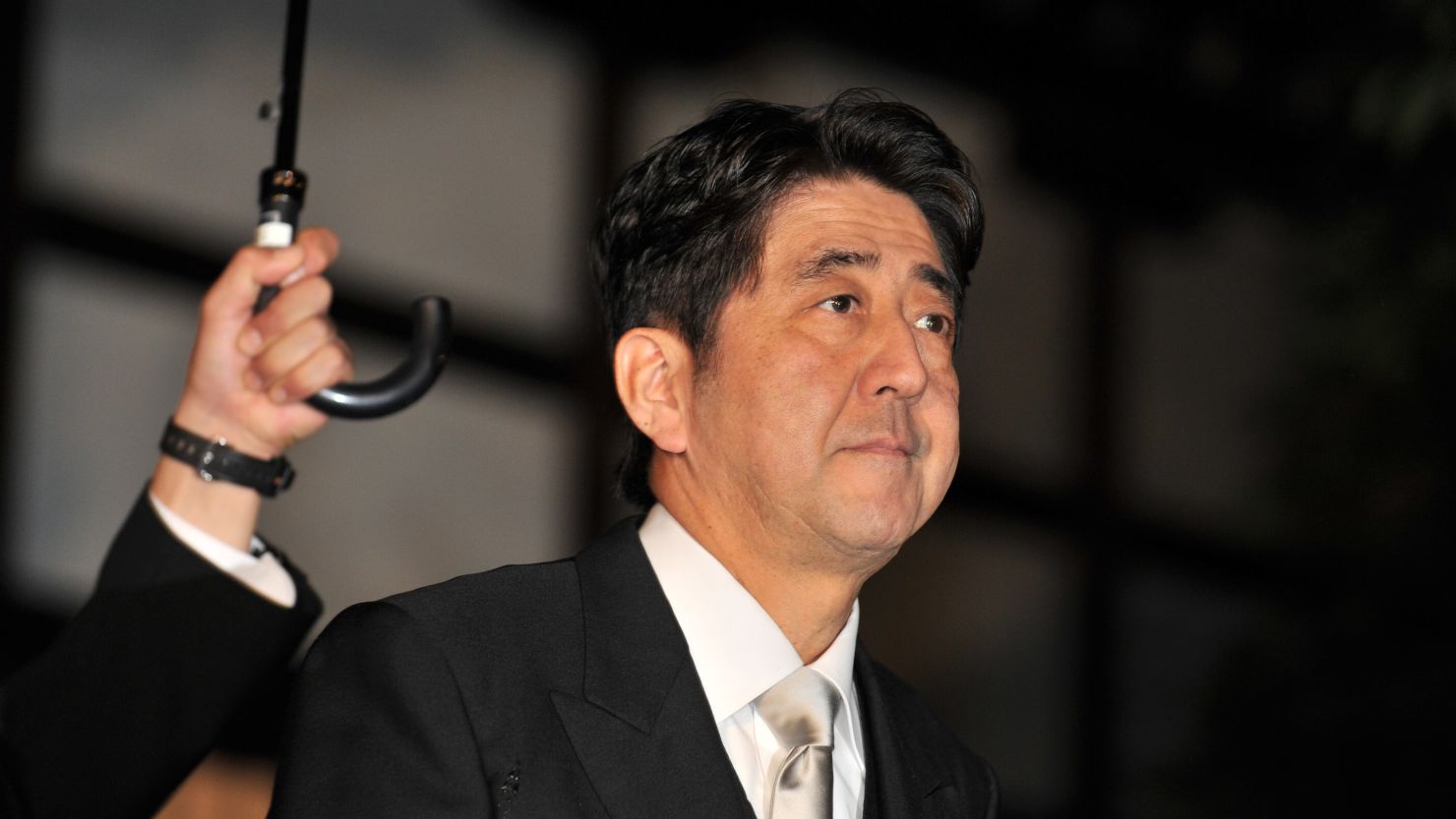
The head of Japan’s major opposition party and favorite to become the nation’s next prime minister, Shinzo Abe, visited a controversial shrine Wednesday in a move likely to ratchet up already heightened tensions with China.
The visit comes as the nations are locked in a dispute over a remote island chain in the East China Sea.
The story behind the islands dispute
In recent weeks, the Chinese navy has been flexing its muscles in the region, sending warships to the waters near the islands. Seven were seen in the area Wednesday, according to Japan’s Defense Ministry.
Past visits by Japanese prime ministers and other political leaders to Yasukuni Shrine, where 14 of Japan’s Class-A war criminals are enshrined with thousands of Japanese soldiers, have ignited a firestorm of controversy with China as well as North Korea and South Korea.


The shrine is regarded by the nations as a symbol of Japan’s imperial military past. All three countries suffered under Japan’s military aggression in World War II.
Responding to a question about the visit, Chinese Foreign Ministry spokesman Hong Lei said Wednesday that Japan should abide by its promises and handle controversial issues responsibly, the state-run Xinhua news service reported.
Read more: China’s top banker snubs Tokyo IMF meeting
In September, the Japanese government bought the disputed islands – known as Senkaku in Japan and Diaoyu in China and Taiwan – from the Japanese family that owned them for 2.05 billion yen (U.S. $26.2 million).
China says its claim to the islands goes back hundreds of years and feels Japan is trying to undermine its sovereignty.
Japan says it saw no trace of Chinese control of the islands in an 1885 survey, so it formally recognized them as Japanese sovereign territory in 1895.
Japan then sold the islands in 1932 to descendants of the original settlers. The Japanese surrender at the end of World War II in 1945 only served to cloud the issue further.
The islands were administered by the U.S. occupation force after the war. But in 1972, Washington returned them to Japan as part of its withdrawal from Okinawa.
Abe, a former prime minister, is the head of the opposition Liberal Democrats, who are expected to win a majority of seats in the next elections. Prime Minister Yoshihiko Noda has promised to hold elections “soon.”