The Buffett Rule is going nowhere

By Edward J. McCaffery, Special to CNN
updated 2:47 PM EDT, Mon April 16, 2012
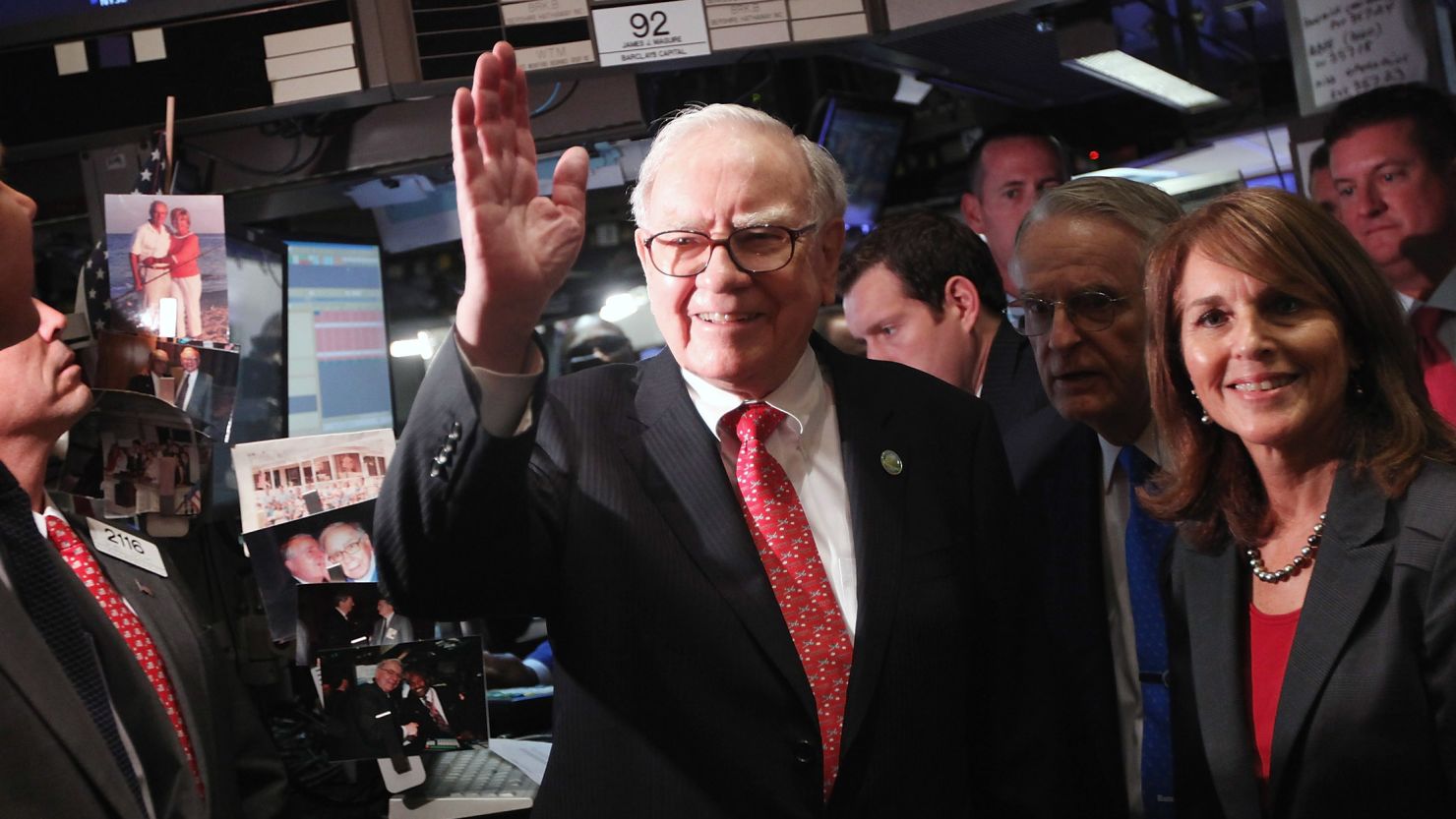
 Warren Buffett, head of Berkshire Hathaway, wouldn't really be affected by the
Warren Buffett, head of Berkshire Hathaway, wouldn't really be affected by the "Buffett Rule," says Edward J. McCaffery.
STORY HIGHLIGHTS
  • The Buffett Rule is designed to make sure those who make over $1 million pay more tax
  • Edward McCaffery: The idea has three fatal flaws
  • He says that even if it's enacted, it wouldn't really affect namesake Warren Buffett
  • McCaffery: Real reform can be achieved with a progressive consumption tax

Editor's note: Edward J. McCaffery is Robert C. Packard Trustee Chair in law and professor of law, economics and political science at the University of Southern California. He is the author of "Fair Not Flat: How to Make the Tax System Better and Simpler."

(CNN) -- April, the cruelest month: Time for tax deadlines and tax policy follies. Hence, the resurrection of the so-called Buffett Rule.

Named after Warren Buffett, who said it was an outrage that he pays a lower tax rate than his secretary, the proposal is designed to ensure that the really rich -- those with annual reported taxable incomes of more than $1 million -- pay an "effective tax rate" of 30%.

The idea is another attempt by President Barack Obama to restore some measure of progressivity to the tax code. Baffled and blocked by the mythical Joe the Plumber, Obama has been unable to restore the top marginal tax rate on those reporting more than $250,000 a year to their pre-George Bush levels, a top rate of 39.6% from its current 35%. That seemingly modest proposal was a centerpiece of Obama's landslide 2008 election campaign. It has gone nowhere. Neither will the Buffett Rule. Why? Because the idea has three fatal flaws.
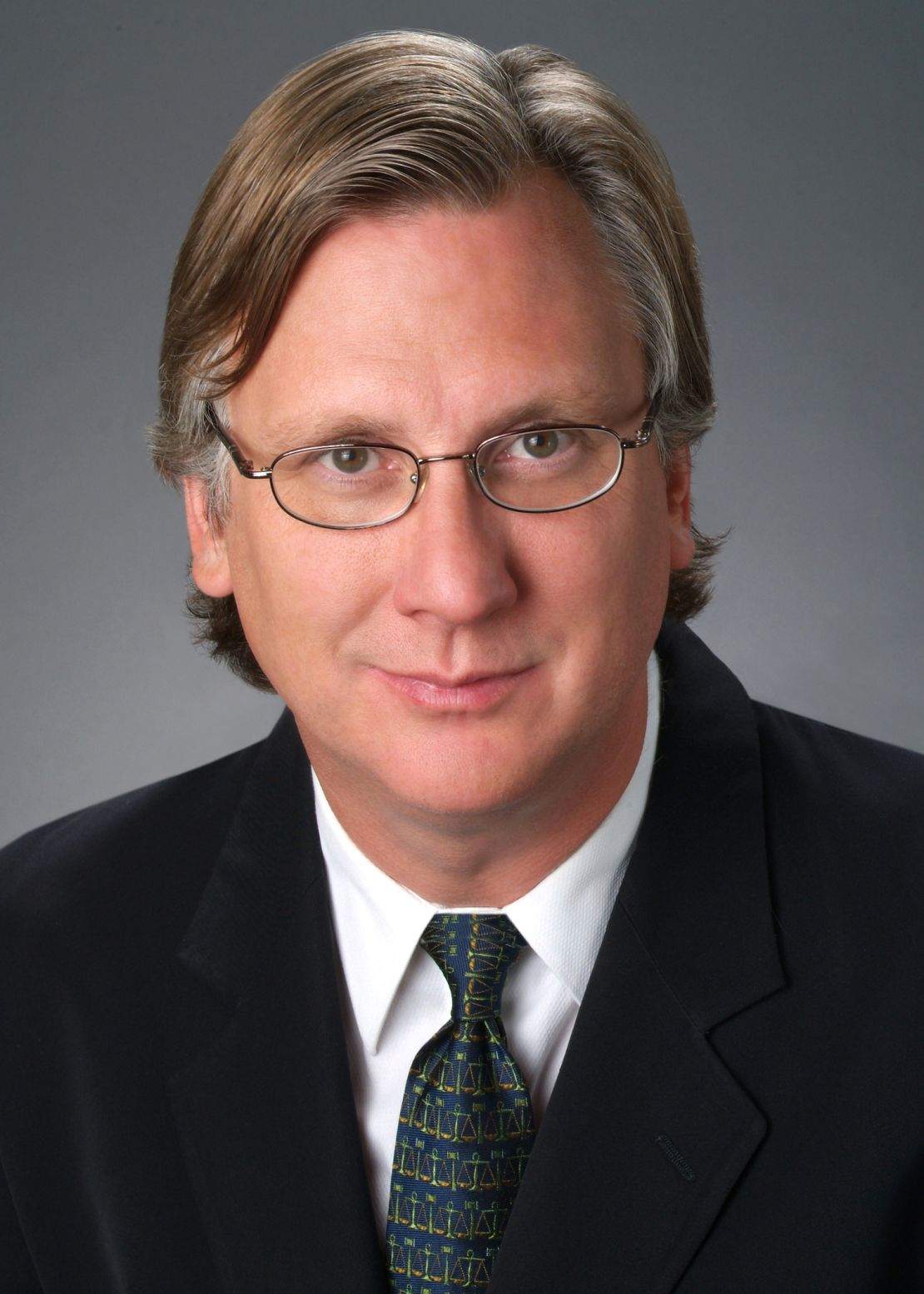
Edward J. McCaffery
Edward J. McCaffery

1. The Buffett Rule is moot.

It's dead on arrival. The rule has no chance of getting through the House, even it can get through the Senate. And if history is any guide, any form of tax increase, on anyone, will not bring votes to any person or party in November, so there are no political points to score here. Ask Joe the Plumber. The practical political fact sits alongside some pressing fiscal facts: America is running massive deficits. Our spending is too high. Our revenues are too low. We are a Greece waiting to happen. Meanwhile, inequality of all forms is getting worse. We need to do something, not nothing. Empty April symbolism is nothing.
Explain it to me: The 'Buffett Rule'

2. The Buffett Rule won't help solve the real problems.

It won't help the fiscal problem because it is a drop in the bucket. The most optimistic projections are that the rule might raise $50 billion a year. That's unlikely, because people plan around tax increases, but even if we get it, it is about 3% of the projected $1.5 trillion deficit. The rule could only be meaningful if it were some kind of first step. But first step toward what?

History shows that marginal tax rates were raised on the very highest bracket to 94% in the midst of World War II. History also shows that almost no one paid tax in this bracket. Why do it then? Because a top rate of 94% made lower rates of 50% and 70% look more palatable. Is the Buffett Rule a first step toward lowering the 30% flat rate to those making more than $250,000, or raising other middle-class taxes? It is hard to see anything very good happening here.

3. The Buffett Rule, even if enacted, won't work because it won't really affect Warren Buffett!

The really, really rich in America don't pay high taxes because they don't report high incomes. And they don't report high incomes for perfectly legal reasons. As I have been writing for decades now, the really, really rich, including Robert Kiyosaki's "Rich Dad," follow the three simple steps of Tax Planning 101: Buy, borrow and die.

By buying assets that rise in value without producing cash, the really, really rich benefit from "unrealized appreciation" that need not go down on any tax form. This is key to the business and investment strategy of Buffett's Berkshire Hathaway. When the really, really rich want to consume, they borrow, also tax-free under the income tax. To cash it all out, the really, really rich die, like we all do -- and then the so-called stepped-up basis on death means that their heirs can sell off assets and pay off debts, tax-free.

We can and should attack Tax Planning 101 and make the really, really rich pay some tax. We should address the tax benefits of unrealized appreciation and, even more so, of borrowing.

We can do so, surprisingly simply, by a progressive consumption tax, as I and others, like Robert Frank and Greg Mankiw, have advocated for years. That's real reform that would really affect Warren Buffett. As such, I suppose it must wait until April passes.

Follow us on Twitter @CNNOpinion

Join us on Facebook/CNNOpinion

The opinions expressed in this commentary are solely those of Edward J. McCaffery.

ADVERTISEMENT
Part of complete coverage on
updated 3:01 PM EDT, Sat May 25, 2013
Pepper Schwartz says with the constant drumbeat of scandals in armed forces, the military must require education programs to teach men self control, address culture of sexual entitlement
updated 8:30 AM EDT, Fri May 24, 2013
Gayle Sulik says the reason the BRCA1 gene mutation test for breast cancer risk -- the one Angelina Jolie had -- costs so much is that a company owns the gene and sets the price.
updated 10:26 AM EDT, Fri May 24, 2013
John Sutter says the Scouts' plan to welcome gay Scouts but not gay adult Scout leaders doesn't make sense.
updated 9:53 AM EDT, Fri May 24, 2013
Dean Obeidallah, Margaret Hoover and John Avlon's Big Three podcast takes on the New York mayoral race's new candidate, GOP hypocrisy in Oklahoma relief funding and Bloomberg's comment on who shouldn't go to college
updated 9:25 AM EDT, Fri May 24, 2013
Despite dramatic terrorist incidents, the terror threat that led to 9/11 has been defeated, and Obama is right to say the U.S. should move on, says Peter Bergen
updated 9:11 AM EDT, Fri May 24, 2013
The Louisiana governor says there's a common theme in the IRS controversy, the seizure of phone records from The Associated Press, and the efforts to rally support for Obamacare.
updated 8:20 AM EDT, Thu May 23, 2013
Melissa Brymer says children need special attention to recover from the trauma of the tornado, and parents must be patient and calm
updated 7:38 AM EDT, Thu May 23, 2013
Will Marshall says Tim Cook was grilled about Apple's tax practices but the real culprit is a dysfunctional tax system.
updated 9:44 AM EDT, Fri May 24, 2013
Peter Bergen says there's a great deal of misinformation about the counterterrorism policies President Obama will address in a speech Thursday.
updated 8:47 AM EDT, Wed May 22, 2013
Two decades ago, Joshua Prager was one of more than 20 people in a terrible bus crash. The author revisits the scene to see how others have made sense of the event.
updated 4:20 PM EDT, Wed May 22, 2013
Joshua Wurman says tornado deaths can be reduced, prediction and preparedness can be improved, but it's up to individuals to make sure they heed warnings and have a safe place to go.
updated 10:57 AM EDT, Wed May 22, 2013
Ruben Navarette says under Obama, a record number of immigrants have been deported. So why is his drive for immigration reform now in conflict with enforcement officials?
updated 9:34 AM EDT, Wed May 22, 2013
Nathan Gunter says Okies have learned to love the big sky, but also to watch it carefully for signs of trouble: When the sky betrays us, we cope by helping one another.
updated 9:33 AM EDT, Wed May 22, 2013
LZ Granderson says the heroics of teachers who shielded kids in the Oklahoma tornado remind us of what they do for our country
updated 7:26 AM EDT, Wed May 22, 2013
Tornado researcher Louis Wicker says progress is being made on understanding and predicting extreme storms, but if you hear a warning, take cover immediately
updated 7:29 AM EDT, Tue May 21, 2013
The masked henchmen grabbed three fingers on each of the Syrian political cartoonist's hands and pulled them back all the way -- so far that they cracked.
updated 11:22 AM EDT, Mon May 20, 2013
Meg Urry says loss of the failing, planet-finding Kepler satellite would be huge for NASA--but one way or another, it's a matter of time before we find signs of life on other worlds
updated 12:21 PM EDT, Tue May 21, 2013
Yahoo isn't buying a technology company so much as the community that uses it, Douglas Rushkoff says
updated 11:15 AM EDT, Tue May 21, 2013
Joseph Nye says it's far too early to write off the rest of the president's second term because of the IRS controversy, other issues
updated 7:32 AM EDT, Mon May 20, 2013
Elizabeth Dunn and Michael Norton write that people pass up opportunities to spend their money to avoid disagreeable tasks
updated 9:45 AM EDT, Sun May 19, 2013
Bob Greene on how 18th century Americans tried to make sense of the day with no sun
updated 8:57 PM EDT, Fri May 17, 2013
With guest Rep. Keith Ellison, John Avlon, Margaret Hoover and Dean Obeidallah discuss the president's scandal trifecta, hope for immigration and what Jolie's revelation means for women.
updated 1:09 PM EDT, Fri May 17, 2013
The press has turned on President Obama with a vengeance, writes Howard Kurtz
updated 2:01 PM EDT, Sat May 18, 2013
Donna Brazile says our democracy is endangered, not by the Russians, North Korea, Iran or even terrorists. To quote Pogo: "We have met the enemy and he is us."
updated 1:59 PM EDT, Sat May 18, 2013
Photographer Arne Svenson defends his show "Neighbors," portraits of the occupants of a building near him taken through their windows.
updated 9:37 AM EDT, Mon May 20, 2013
Theater critic Kevin Williamson was kicked out of a play when he took the phone away from an audience member and threw it. He says it was worth it.
updated 10:25 AM EDT, Sat May 18, 2013
U.S. actor Angelina Jolie (L) holds daughter Zahara as husband and actor Brad Pitt (C) carries son Maddox during a stroll on the seafront promenade at the historic Gateway of India outside their hotel in Mumbai on November 12, 2006.
Gil Welch says women must not panic over Angelina Jolie's mastectomies: 99% of women don't carry the BRCA1 gene.
updated 4:52 AM EDT, Sat May 18, 2013
JR's "Inside Out" project brings public spaces alive with giant representations of people
updated 3:22 PM EDT, Fri May 17, 2013
Roger Colinvaux says the IRS scandal is fundamentally about disclosure of donors, not tax-exempt status.
updated 11:14 AM EDT, Thu May 16, 2013
Maia Goodell says the military should use civil legal remedies on sexual assault cases.
ADVERTISEMENT